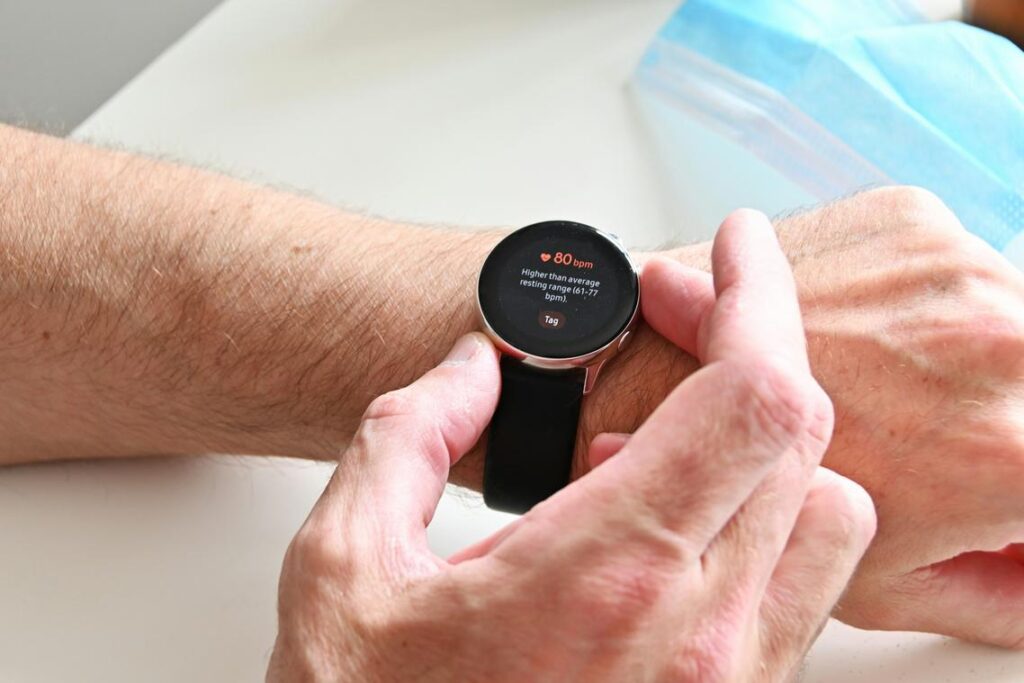
Smart technology is no longer limited to phones and wearables—it’s rapidly transforming the way we cook, clean, conserve energy, and manage our homes. If you’re searching for insights into the future of smart appliances, you likely want to understand what’s coming next, which innovations truly matter, and how these advancements will impact your daily life and digital security.
In this article, we break down the latest developments in connected kitchens, AI-powered home systems, energy-efficient smart devices, and secure data integrations. We focus on practical trends, real-world applications, and what consumers should expect over the next few years—not just hype.
Our analysis draws on current tech evolution reports, device performance data, cybersecurity research, and emerging product launches to ensure accuracy and relevance. By the end, you’ll have a clear view of where smart appliances are headed and how to prepare your home for the next wave of intelligent innovation.
Your Home, Smarter: Navigating the Next Wave of Connected Devices
The connected home is no longer a novelty; it’s an ECOSYSTEM built for advantages. Smart thermostats learn your schedule and cut energy bills (the savings add up faster than a subscription). Advanced air monitors track pollutants in real time, improving sleep and focus. AI security cameras distinguish between a package delivery and a threat, reducing false alarms.
You gain:
- Lower utility costs
- Stronger home security
- Better comfort
Skeptics call devices gimmicks. Fair. But when systems sync, the future of smart appliances means LESS STRESS and MORE CONTROL
Beyond Convenience: The Rise of the Predictive and Automated Home
Not long ago, a “smart” home meant issuing commands: turn on the lights, set the thermostat to 72. Useful? Sure. Intelligent? Not quite.
Today’s systems shift from reactive to predictive. Instead of waiting for instructions, devices factor in time of day, occupancy sensors (devices that detect whether someone is in a room), and even ambient light levels to adjust automatically. Lights dim at sunset. The thermostat eases down when you leave. It’s less remote control, more quiet assistant.
The Standards Making It Possible
Two major advancements—Matter and Thread—are driving this change. Matter is a universal smart home standard that allows devices from different brands to communicate seamlessly. Thread is a low-power wireless mesh network that improves speed and reliability. Together, they reduce the dreaded “device not responding” error (we’ve all been there) and enable more complex automations without fragile workarounds.
Practical Ways to Build Proactive Assistance
If you want your home to anticipate needs, start here:
- Sync routines to triggers. Connect your alarm to lights and your coffee maker so mornings run automatically.
- Use occupancy sensors strategically. Place them in hallways and bathrooms for hands-free lighting.
- Automate climate reactions. Program blinds to close during peak afternoon heat to cut cooling costs (the U.S. Department of Energy notes window coverings can reduce heat gain by up to 77%).
Pro tip: Begin with one room and expand gradually to avoid automation overload.
This layered approach hints at the future of smart appliances—systems that quietly adapt, conserve energy, and simplify daily life without constant input.
Integrating Wellness: How Smart Devices Monitor Health and Environment

A few months ago, I woke up groggy for the third day in a row. My smartwatch insisted I’d slept eight hours. Still, I felt like I’d binge-watched a late-night thriller instead of resting. That’s when I realized: maybe it wasn’t my body data that was missing. Maybe it was my room.
For years, health tech focused on wearables—devices you strap on to collect biometric data like heart rate or sleep stages. Now, however, we’re entering a new frontier: environmental monitoring. In other words, your home itself becomes a passive health partner (no wristband required).
Advanced environmental sensors track volatile organic compounds (VOCs)—harmful gases released from paints or cleaners—along with CO2 levels, airborne particulates, temperature, and humidity. Elevated CO2, for example, can cause drowsiness and poor concentration (EPA). Fine particulate matter has been linked to respiratory issues (WHO).
Here’s where it gets interesting. When my indoor monitor detected high CO2 overnight, it triggered my smart thermostat to circulate air and nudged me to crack a window. As a result, my sleep score improved within a week. Some argue this level of automation feels excessive or intrusive. Fair point. Yet when the payoff is deeper sleep and fewer headaches, the trade-off feels practical, not paranoid.
Increasingly, this connected loop—sensors triggering purifiers or climate adjustments—defines the future of smart appliances. It also builds on trends explored in voice assistants evolution from simple commands to ai companions.
Pro tip: Aim for bedroom CO2 below 1,000 ppm for optimal rest. Your lungs will notice—even if you don’t at first.
The Economic Advantage: Driving Down Costs with Intelligent Resource Management
For years, connected devices were marketed as flashy upgrades—nice to have, not necessary. But the shift from “smart” to economical is changing that narrative. Today, intelligent resource management turns everyday appliances into cost-control tools (not just gadgets you show off to guests).
Take smart grid integration. Modern thermostats, EV chargers, and connected appliances can communicate with local power grids, automatically shifting usage to off-peak hours when electricity rates are lower. In theory, this reduces strain on the grid and trims monthly bills. In practice? Results vary by region, and utility pricing structures aren’t always transparent. Still, the potential is real.
Consider measurable savings:
- Smart water monitors that detect micro-leaks early, preventing costly structural damage
- Automated lighting systems that shut off in empty rooms
- HVAC systems that adjust dynamically based on occupancy and weather patterns
Some studies estimate smart thermostats alone can cut heating and cooling costs by 10–15%, though performance depends heavily on usage habits and climate conditions.
Admittedly, the full economic impact of the future of smart appliances is still unfolding. Technology evolves faster than regulation, and compatibility gaps remain. Yet as integration improves, these systems increasingly function as long-term investments—quietly optimizing consumption while lowering recurring expenses month after month.
Fortifying Your Digital and Physical Space: The Evolution of Smart Security
As homes become smarter, security is no longer just about deadbolts and firewalls. Today, the shift is integration: cameras, smart locks, and motion sensors working alongside encrypted networks and intrusion-detection software. “I don’t want five apps,” one homeowner told me. “I want one system that protects everything.”
However, some critics argue that merging physical security with cybersecurity creates a single point of failure. It’s a fair concern. Yet, unified platforms often reduce risk by closing the gaps hackers exploit.
Meanwhile, on-device AI processing is redefining privacy. Instead of streaming footage to the cloud, cameras analyze video locally. “Your data stays in your home,” manufacturers emphasize. The result? Faster alerts and distinctions between a person, a package, or a passing cat.
Ultimately, smarter notifications and data control deliver peace of mind—and signal the future of smart appliances for homeowners.
Building Your Intelligent Ecosystem, One Device at a Time
Last year, I installed a smart thermostat, mostly to stop arguing with my forgetfulness. That upgrade cut my energy bill and morning stress, proving the complexity of connected tech shrinks when you solve one problem.
Modern systems can feel overwhelming, but focus on outcomes:
- Automating routines so coffee brews before you wake
- Tracking health metrics in real time
- Tightening security with alerts
Critics say smart homes create dependency. Yet choosing compatible devices with clear purpose builds confidence and hints at the future of smart appliances working for you
As we explore the advancements in smart appliances creating more connected kitchens, it’s intriguing to consider how emerging trends, like those discussed in our piece on ‘Glitch Grdxgos‘, could influence user experiences and kitchen efficiency.
Stay Ahead in the Future of Smart Living
You started this guide because keeping up with rapid tech changes feels overwhelming. Smart appliances are evolving fast, security concerns are growing, and choosing the right connected devices can feel risky and confusing.
Now you have clarity. You understand how automation, AI-driven features, and secure integrations are shaping the future of smart appliances—and how these innovations can simplify your daily routines instead of complicating them.
The key is taking action before outdated tech, security gaps, or poor setup choices cost you time, money, or peace of mind. Stay proactive. Monitor emerging device trends. Prioritize secure configurations. Follow trusted tech evolution alerts so you’re never caught off guard.
If you’re ready to eliminate uncertainty and confidently upgrade your smart ecosystem, start exploring our expert-backed tech alerts and interactive setup guides today. Join thousands of forward-thinking users who rely on our insights to stay secure, updated, and ahead of the curve—don’t wait until your devices fall behind.