If you’re searching for a clear, step-by-step personal vpn setup guide, you likely want one thing: a secure, private internet connection without technical confusion. With rising cyber threats, data tracking, and unsecured public Wi‑Fi risks, setting up a personal VPN is no longer optional for many users—it’s essential.
This article is designed to walk you through the entire process, from choosing the right VPN to configuring it properly across your devices. Whether you’re aiming to protect sensitive data, secure remote work connections, or enhance your overall digital privacy, you’ll find practical, easy-to-follow instructions tailored to real-world use.
Our guidance is built on tested configuration methods, current security standards, and up-to-date knowledge of device compatibility and encryption protocols. We break down complex networking concepts into straightforward steps, ensuring you can confidently set up and optimize your VPN without guesswork.
By the end, you’ll have a fully functioning personal VPN and a clear understanding of how to keep your connection secure.
First, Why a VPN is Non-Negotiable in Today’s World
As you explore the benefits of setting up a personal VPN for safer browsing, don’t miss our analysis on how Pblinuxgaming is revolutionizing gaming experiences on Plugboxlinux, which offers a unique blend of performance and privacy – for more details, check out our Reports Pblinuxgaming On Plugboxlinux.
Ever connected to café Wi‑Fi and felt that spike of anxiety? You should. Public networks in airports, hotels, and shops are unencrypted, meaning hackers can intercept passwords and banking details through what’s called a “man‑in‑the‑middle” attack (when someone secretly relays data between you and a website). The frustration? You wanted a latte, not identity theft. A VPN creates an encrypted tunnel—scrambled data outsiders can’t read—so your information stays yours.
Then there’s your ISP. Yes, the company you pay each month can log your browsing history (FCC disclosures confirm ISPs may collect data). A VPN masks your IP address and encrypts traffic, restoring a sense of digital privacy.
And geo-blocks? Nothing’s more annoying than “This content isn’t available in your region.” By routing through servers, a VPN unlocks libraries and news worldwide. Tip: follow a personal vpn setup guide to avoid configurations.
How to Choose the Right VPN Service for You
Choosing a VPN isn’t just about flashy ads or “fastest speeds” claims. First and foremost, the no-logs policy is critical. A strict no-logs policy means the provider does not store records of what you do online. To clarify, activity logs track the websites you visit and apps you use, while connection logs may record metadata like timestamps or bandwidth. If a company keeps activity logs, your privacy promise falls apart (even if the homepage says otherwise). Look for independent audits to verify claims (Pro tip: check for third-party audit reports, not just marketing copy).
Next, consider security protocols—think of them as the “languages” your data uses to travel safely. WireGuard is the modern, lightweight option known for speed and efficiency, while OpenVPN is the battle-tested industry standard used widely in enterprise IT environments. Ideally, your VPN should offer both.
Then there’s server network and speed. The closer the server is to your physical location—say, Chicago or Frankfurt—the lower the latency. A larger network also helps with geo-spoofing for region-locked content (yes, even that BBC iPlayer library).
Finally, prioritize ease of use and device support. Choose apps compatible with PC, Mac, iPhone, and Android. A clear dashboard and a solid personal vpn setup guide make all the difference.
The 5-Minute Setup: Installing Your VPN Step-by-Step
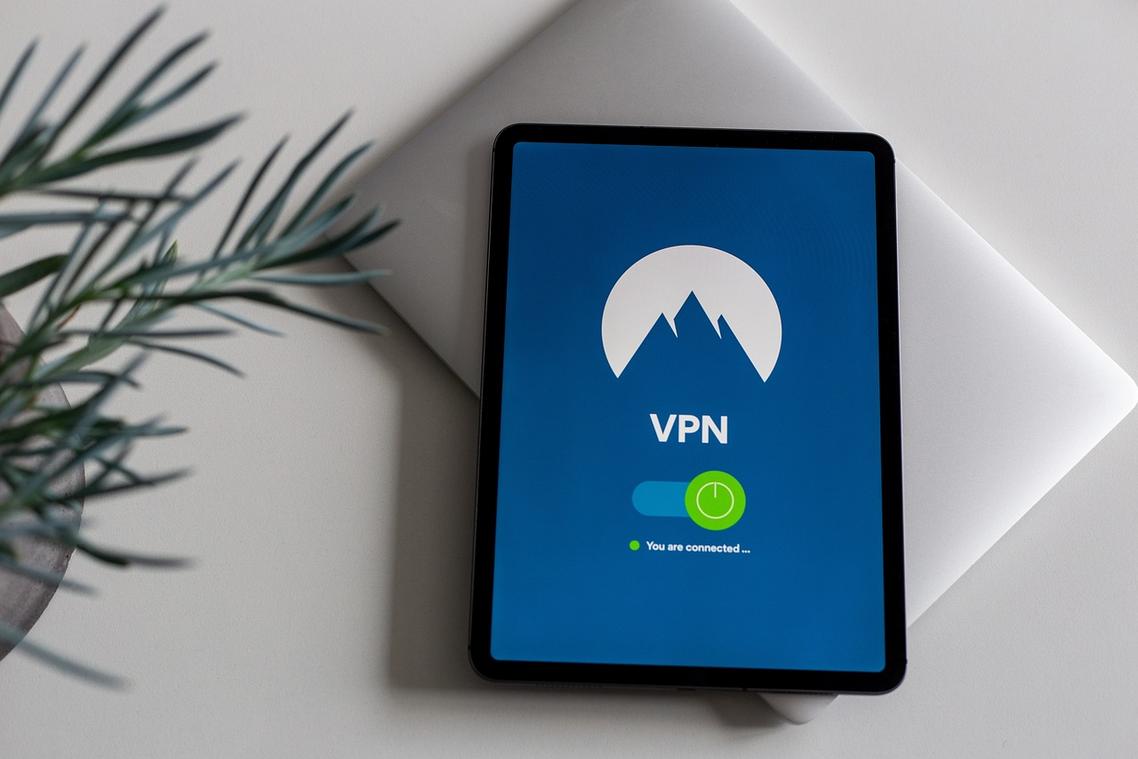
Setting up a VPN sounds technical, but in reality, it’s closer to installing Netflix than configuring a spaceship. Here’s your personal vpn setup guide to get everything running smoothly in just a few minutes.
Step 1: Subscribe and Create an Account
First, head to your chosen VPN provider’s website. Compare plans (monthly vs. annual is the usual choice), then click Sign Up. Enter your email, create a strong password, and complete payment.
Pro tip: Use a password manager to generate and store a complex password—security tools are only as strong as your login habits.
Once payment is confirmed, you’ll receive a confirmation email. Keep it handy in case you need to verify your account later.
Step 2: Download and Install the App
Next, download the app for your device.
- For Desktop (Windows & macOS): Go back to the provider’s website, click Download, open the installer file, and follow the setup prompts. It’s usually just “Next, Next, Install.”
- For Mobile (iOS & Android): Open the Apple App Store or Google Play Store, search for the VPN provider’s name, and tap Install.
After installation, launch the app.
Step 3: Log In and Connect
Now, log in using the email and password you created earlier. Once inside, you’ll see a large Connect button. Tap or click it.
Most apps automatically choose the fastest available server based on your location. In other words, no guesswork required.
Step 4: Confirm Your Connection
Finally, verify everything is working. Open your browser and visit whatismyip.com. If the displayed IP address differs from your usual one, your VPN is active.
And just like that, you’re connected and browsing with an added layer of privacy.
Beyond ‘Connect’: Essential Features to Activate
Enable the Kill Switch immediately. Define it as a FAIL-SAFE that cuts your internet connection if the VPN drops, preventing data leaks. I learned this the hard way when my Wi-Fi flickered during a coffee shop login and my real IP briefly exposed.
• TURN IT ON.
Using Split Tunneling lets you choose which apps use the VPN and which use your regular connection. For example, secure your browser traffic while letting a game connect directly for lower latency. It is perfect when streaming and gaming collide (yes, I tried both at once).
Choosing the Right Server Location matters. For speed, pick a nearby server. For content access, select country you need.
Pro tip: test servers and watch ping times.
If you are serious about privacy, follow a personal vpn setup guide and review settings.
Gamers: how to optimize your pc for high performance gaming.
Your Guide to a Safer, More Open Internet
Let’s start with a simple truth: when you connect to the internet, your data travels through servers owned by other people. That includes your internet provider and public Wi-Fi networks. A VPN (Virtual Private Network) is a tool that encrypts—meaning scrambles—your data so outsiders can’t easily read it (think of it as a locked tunnel for your information).
This personal vpn setup guide walks you step by step through choosing a provider, installing the app, and turning it on. Once activated, your digital footprint becomes far harder to track, giving you immediate privacy protection.
Your Digital Privacy Shield is Now Active
Your VPN is live, and that changes everything.
Your data is encrypted, your IP masked, and your browsing habits harder to trace.
The anxiety of public Wi‑Fi snooping is no longer your default setting.
I recommend you:
- Activate it before connecting to airports, cafés, or hotels.
- Keep it on during streaming, banking, and remote work sessions.
- Review advanced features in your personal vpn setup guide to optimize speed and security.
Make this a daily habit, not an afterthought.
Security works best when it is automatic.
Stay protected, wherever you browse.
No exceptions ever.
Stay Secure and Ahead in a Rapidly Changing Digital World
You came here looking for clarity on how to navigate evolving technology, protect your data, and stay ahead of smart device trends. Now you have a clearer path forward.
The reality is simple: digital threats are growing, devices are getting smarter, and your personal information is more exposed than ever. Ignoring these changes puts your privacy, productivity, and peace of mind at risk.
The good news? You don’t have to figure it out alone. By staying informed, applying secure setup practices, and following a proven personal vpn setup guide, you can take back control of your digital environment.
If you’re serious about protecting your data and optimizing your devices, now is the time to act. Explore our trusted tech alerts, step-by-step guides, and security insights—relied on by thousands of readers who want smarter, safer digital lives. Start securing your setup today and stay one step ahead of the next digital shift.