
Cities are no longer just concrete and steel—they’re powered by data. In this guide to iot in urban living, we break down how connected sensors, smart infrastructure, and real-time analytics are actively reshaping modern metropolitan life. If you’ve wondered how abstract IoT concepts translate into smoother traffic flow, reduced energy waste, and faster emergency response, you’ll find clear, practical answers here. We focus on real deployments and secure data insights, showing exactly how connected devices improve daily urban experiences. By the end, you’ll understand how smart city technology moves from theory to tangible impact on the streets around you.
Smart cities are not sci‑fi backdrops from Blade Runner; they are engineered ecosystems powered by interconnected devices. At its core, a smart city relies on iot in urban living—networks of sensors, software, and cloud connectivity that gather and exchange real-time data.
The system stands on three pillars:
- Data Collection: Sensors embedded in streetlights, waste bins, parking meters, and roadways capture metrics like traffic flow, air quality, and fill levels.
- Data Analysis: Cloud platforms aggregate and process that data, using analytics engines and machine learning models to detect patterns and predict demand.
- Actionable Output: Automated responses follow—traffic lights adjust to congestion, sanitation crews receive pickup alerts, and energy grids rebalance loads.
Interoperability (the ability of devices to work together) ensures components communicate efficiently.
Critics argue it’s expensive tech layering. Yet when commute times drop and emissions fall, benefit is tangible: safer streets, lower costs, and cities that respond to residents’ needs.
Application 1: Intelligent Mobility and Traffic Decongestion
As smart cities increasingly rely on interconnected IoT devices to enhance urban living, it’s essential to ensure that the underlying IT infrastructure is fortified against potential cyber threats, a topic we explore further in our article on building resilience in your IT framework – for more details, check out our How to Build a Resilient IT Infrastructure Against Cyber Threats.
Cities are getting smarter—and faster at fixing traffic headaches.
Smart Traffic Lights use connected sensors (devices that collect real-time data) to monitor vehicle flow, pedestrian crossings, and congestion levels. Instead of running on fixed timers, signals adjust dynamically to reduce bottlenecks and idle time. According to the U.S. Department of Transportation, adaptive signal control can reduce travel time by over 10% in busy corridors. Some critics argue these systems are expensive and complex to maintain. Fair point. But as hardware costs drop and AI models improve, the long-term fuel and productivity savings often outweigh the upfront investment (and fewer honking symphonies at rush hour is a bonus).
Intelligent Parking Solutions rely on ground sensors and mobile apps to guide drivers directly to open spots. This reduces circling, emissions, and frustration. In fact, studies suggest up to 30% of downtown traffic comes from drivers searching for parking. Apps like ParkMobile hint at where this is heading.
Connected Public Transit brings it all together:
- Real-time bus and train tracking
- Predictive maintenance alerts
- Automated passenger counting
These systems optimize routes and reduce breakdowns. Looking ahead—this is speculation—experts predict fully synchronized mobility grids powered by iot in urban living, where traffic lights, cars, and transit fleets communicate instantly (think less gridlock, more glide).
Application 2: Optimizing Urban Resources and Sustainability
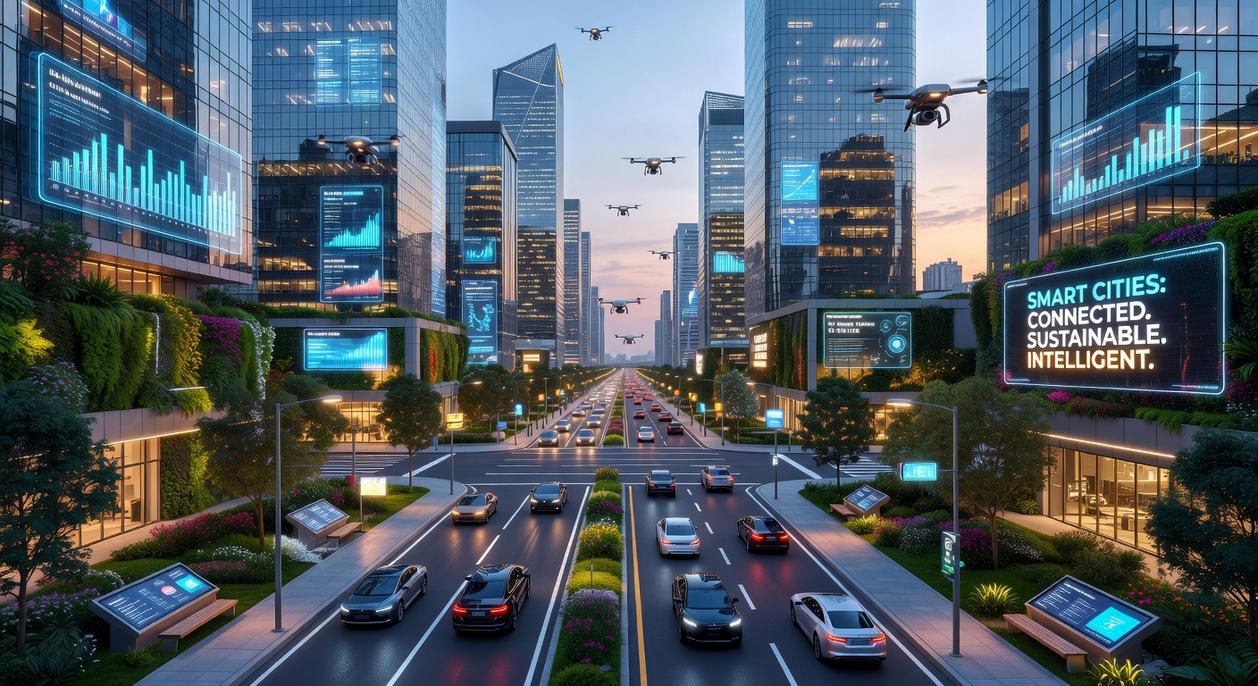
Cities generate mountains of waste, consume massive energy, and leak precious water (often literally). The good news? Smart systems turn chaos into CONTROL.
Smart Waste Management
Sensors inside public bins alert sanitation teams when they’re full. Instead of fixed pickup schedules, cities build dynamic routes based on real-time data. The benefit is immediate: fewer overflowing bins, lower fuel costs, and reduced emissions. According to the World Bank, cities generate over 2 billion tons of waste annually—optimized collection directly cuts operational strain (World Bank, 2018). Residents get cleaner streets. Taxpayers get better value. That’s a win-win.
Smart Grids and Energy Efficiency
IoT-enabled grids monitor electricity demand block by block. If one area spikes, power can be rerouted to prevent outages. Smart streetlights dim when no movement is detected, saving up to 50% in energy costs (U.S. Department of Energy). Critics argue installation costs are high. True—but long-term savings and GRID RESILIENCE outweigh upfront expenses. This is iot in urban living at its most practical.
Water Management Systems
Leak-detection sensors pinpoint breaks instantly, preventing water loss and infrastructure damage. The EPA estimates 6 billion gallons of treated water are lost daily in the U.S. Fixing leaks FAST protects resources and budgets.
Curious how connected tech transforms daily life indoors too? Explore the future of smart appliances in connected kitchens.
Last year, I watched a minor car crash outside my apartment turn chaotic before help arrived. It made me appreciate how connected emergency systems can change outcomes. Today, vehicle sensors can detect sudden deceleration and automatically transmit GPS data to dispatchers, while smart smoke detectors alert fire departments the moment heat spikes. That’s iot in urban living at its most practical.
Connected systems save minutes, and minutes save lives.
AI-driven surveillance adds another layer. Modern cameras analyze video in real time, flagging unattended bags or unusual crowd formations and notifying authorities before situations escalate (think of it as a digital neighborhood watch that never sleeps).
Cities also rely on environmental monitoring to protect residents:
- Air-quality sensors issuing asthma alerts
- Water-quality trackers detecting contamination
- Noise monitors identifying hazardous levels
Some worry about privacy. I do too. But with data governance and transparency, these tools balance safety and liberties.
Navigating the Hurdles: Data Security and Implementation
Securing vast stores of citizen data is no longer optional; it’s mission-critical. Cities adopting iot in urban living generate sensitive behavioral trails hackers prize (think Mr. Robot with a municipal dashboard). Prioritize end-to-end encryption, zero-trust architecture, and continuous audits (defined as never automatically trusting any device). Implementation is equally daunting: upfront infrastructure and 5G-ready networks demand capital. Critics argue costs outweigh benefits, but phased rollouts and public-private partnerships reduce risk (McKinsey). To scale wisely, insist on open standards so devices communicate seamlessly—
- Choose vendors committed to interoperability and timely patches.
The Connected Future is Now: Your Role in the Smart City
You came here to understand how smart cities actually work—and now you’ve seen how connected systems, from traffic optimization to public safety networks, are transforming daily life. Urban inefficiency and growing resource strain are real pressures, but iot in urban living is proving that real-time data can shift cities from reactive problem-solving to proactive, intelligent management.
The future of your community depends on informed, engaged citizens. Stay updated on the digital innovations rolling out in your area, demand secure data practices, and support technologies that improve efficiency and safety. Don’t get left behind—follow the latest smart city advancements now and be part of building a safer, smarter place to live.