Feeling lost in the whirlwind of tech in schools? You’re not alone. The technology impact education is undeniable and, frankly, overwhelming.
But let’s cut through the noise. This article will give you a straight-up, no-nonsense look at how technology reshapes classrooms. Sure, there are flashy benefits, but there are real challenges too.
We’ve been tracking these digital shifts closely, examining their real-world effects on learning. So, whether you’re a parent, teacher, or student wondering how to keep up, you’re in the right place. Here, you’ll get a clear guide to navigating this digital classroom transformation effectively.
The Digital Revolution: How Technology Enhances Learning
Sometimes I think about the old days (you know, the library runs and heavy textbooks) and can’t help but marvel at how technology impact education in ways we couldn’t have imagined. The real game-changer? Unprecedented access to information.
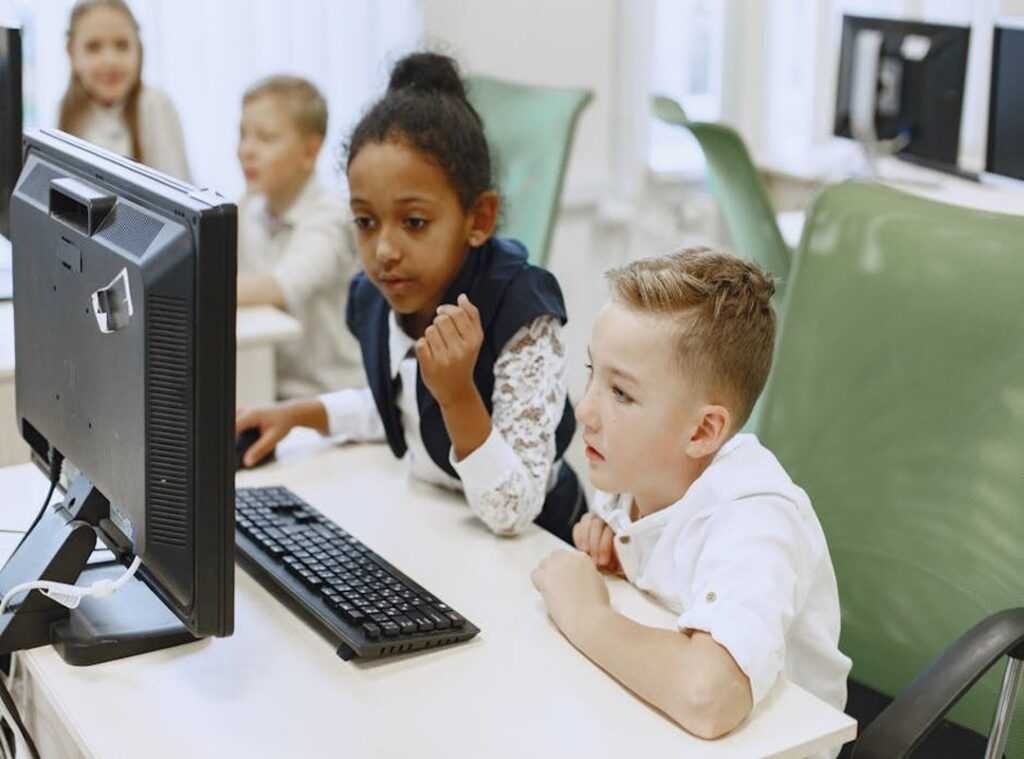
Gone are the days when learning was confined to physical books and classrooms. Now, with e-books, online archives, and platforms like Khan Academy, students can explore a universe of knowledge without ever leaving their desks.
Imagine a student accessing world-class museum archives from their classroom. Sounds like science fiction, right? It isn’t.
This is the new reality, where physical and financial barriers crumble under the weight of digital tools. And it’s not just about access. It’s about what these platforms teach us too.
But there’s more. Interactive simulations and gamification are making learning not just easier but a whole lot more fun. Think about it.
Tools like Google Workspace and Miro aren’t just fancy tech. They train us in important modern skills like remote teamwork and digital communication.
Instead of memorizing physics formulas by rote, students engage with interactive coding challenges that stick in their minds longer. This isn’t just beneficial; it’s game-changing.
Ever wonder what it takes to understand the basics of machine learning? Dive into Understanding Basics Machine Learning and see how tech is reshaping education. The future of learning is here, and it’s digital.
Let’s embrace it. Why limit ourselves to old methods when the digital world is at our fingertips?
Personalized Learning at Scale: Transforming Education
Personalized learning sounds like a buzzword, right? But it’s not. It’s about adapting the pace and path of education to fit each student’s strengths and weaknesses.
Imagine if school wasn’t just a conveyor belt that you hop on at five and off at eighteen.
AI-driven platforms are the game changer here. They track student progress in real-time. We’re talking software that spots learning gaps and serves up exercises to target those areas.
This isn’t some distant future tech; it’s happening now. It’s making education more responsive and effective.
Adaptive assessments are another key piece of the puzzle. Forget traditional tests where everyone gets the same questions. These assessments adjust difficulty based on how a student answers.
They provide a more accurate picture of a student’s abilities. Isn’t that more useful than a one-size-fits-all exam?
Here’s the kicker: technology allows educators to move away from the old lecture model. Instead, they can offer one-on-one support right when it’s needed. This is a big deal.
We can wave goodbye to the dull classroom lectures that don’t engage anyone.
Curious about the broader effects? Check out how does technology impact student learning outcomes?. It’s fascinating stuff.
In short, the technology impact education feels enormous. We’re witnessing a shift. From a static system to one that’s changing and personalized.
Education is no longer a monolith but a mosaic. Each piece crafted to fit the individual. And that’s how you revolutionize learning.
Bridging the Gap: Digital Divide and Data Security
Have you ever thought about how the digital divide affects education? It’s not just a buzzword. It’s the real gap in access to reliable internet and suitable learning devices.

This divide can seriously worsen educational inequality. Imagine a classroom where some students have lightning-fast internet and others are stuck with dial-up speeds. Frustrating, right?
Now, let’s talk about student data security. It’s key but often overlooked. Schools and EdTech apps collect all sorts of sensitive data: academic records, behavioral patterns, even biometric data.
You might wonder, is all this student data safe? Honestly, I’m skeptical. Data breaches happen more than we’d like to admit.
Insecure infrastructure is a ticking time bomb. And don’t get me started on third-party vendors misusing data.
What’s at stake? Long-term privacy implications. Students’ data could be floating around the internet for years, impacting their future in ways we can’t even predict.
It’s pretty alarming. Schools must adopt transparent data policies. Why?
Because parents deserve to know how their kids’ data is being handled. Investing in secure data infrastructure isn’t just an option; it’s a necessity.
You know what else schools should do? Rigorously vet EdTech partners. Trust shouldn’t come easy when it comes to student data.
They need solid security protocols. No excuses.
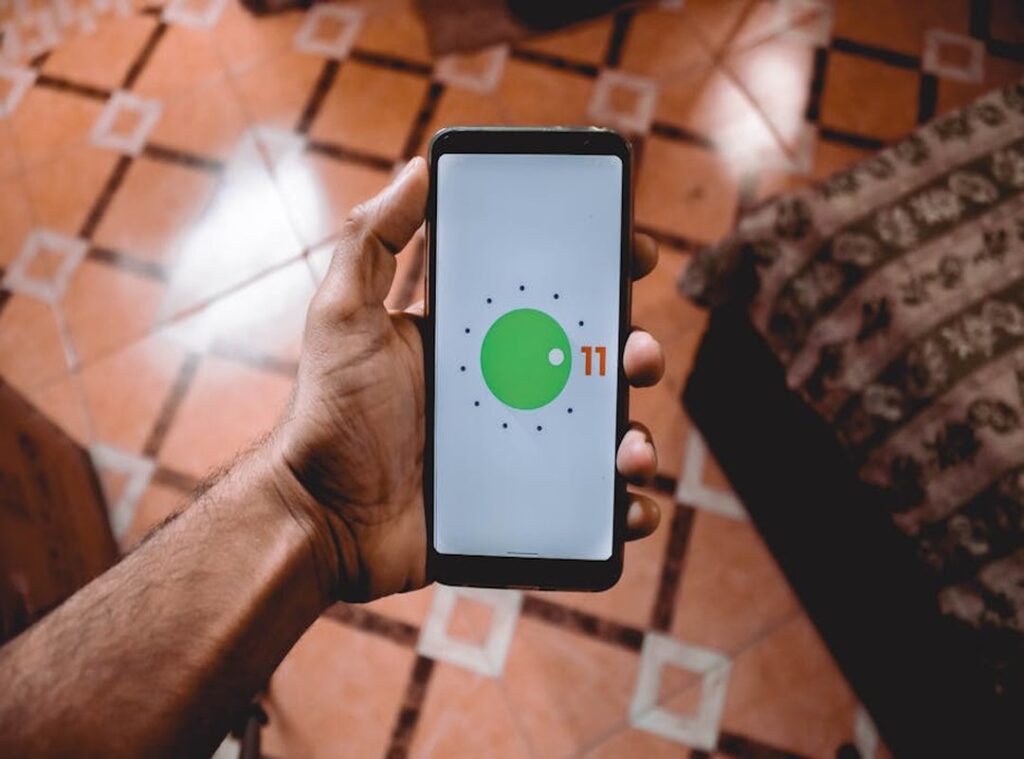
Here’s a pro tip: start with understanding the history mobile operating systems. It helps in grasping how technology has evolved and its impact on education. The technology impact education is deep, but we must address these hurdles first.
Ignoring them could mean leaving some students behind while risking others’ privacy. Are we ready to tackle these issues head-on? Or will we let these barriers persist?
Redefining Roles: The Evolving Educator and the Empowered Student
Let’s face it. The old-school teacher, the “sage on the stage,” is fading. Now, educators are more like a “guide on the side,” helping students get through their learning journeys.
This shift is huge.
Why? Because technology has changed everything. Teachers aren’t just feeding information anymore.
They’re facilitators. They need to be digitally literate, able to analyze student data, and skilled in designing curricula that work in both physical and virtual classrooms. It’s a different ball game.
So, what’s the impact on students? They’re more autonomous. Technology impact education by fostering self-directed learning and research skills.
Students can dive into topics, explore, and learn at their own pace. It’s empowering.
But there’s a catch. With unlimited access to information, students must learn digital citizenship and media literacy. Access to data isn’t enough.
They need to evaluate sources, spot misinformation, and engage ethically online. It’s about responsibility, not just knowledge.
Pro tip: Encourage students to question everything they read online. This skill is as key as any other academic ability. It prepares them for real-world challenges.
Some folks worry this tech-driven approach could dilute education. I disagree. It’s about adaptation.
We’re not throwing out the old ways but blending them with new tools. Yes, there are challenges. But the benefits outweigh them.
The ability to think critically and act responsibly online is useful.
, educators and students alike must evolve with these changes. The roles have shifted, but the core mission remains: empowering learners to thrive in a complex world.
Future Schools: Tech Done Right
We can’t just throw gadgets in classrooms and call it progress. Real change means using tech wisely and ensuring every student benefits. The core problem isn’t just about access; it’s about securing data and bridging the digital divide.
We need a balanced approach that embraces innovation and demands secure access for all. The technology impact education is too significant to ignore. Stay informed.
Push for policies that make schools both smarter and safer. Your voice counts. Advocate for change in your community.
Let’s build a future where every student thrives in a secure, tech-savvy environment.
 Head of Digital Insights & Security
Tamara Strongivers has opinions about digital innovations and concepts. Informed ones, backed by real experience — but opinions nonetheless, and they doesn't try to disguise them as neutral observation. They thinks a lot of what gets written about Digital Innovations and Concepts, Interactive Tech Setup Guides, Knowledge Vault is either too cautious to be useful or too confident to be credible, and they's work tends to sit deliberately in the space between those two failure modes.
Reading Tamara's pieces, you get the sense of someone who has thought about this stuff seriously and arrived at actual conclusions — not just collected a range of perspectives and declined to pick one. That can be uncomfortable when they lands on something you disagree with. It's also why the writing is worth engaging with. Tamara isn't interested in telling people what they want to hear. They is interested in telling them what they actually thinks, with enough reasoning behind it that you can push back if you want to. That kind of intellectual honesty is rarer than it should be.
What Tamara is best at is the moment when a familiar topic reveals something unexpected — when the conventional wisdom turns out to be slightly off, or when a small shift in framing changes everything. They finds those moments consistently, which is why they's work tends to generate real discussion rather than just passive agreement.
Head of Digital Insights & Security
Tamara Strongivers has opinions about digital innovations and concepts. Informed ones, backed by real experience — but opinions nonetheless, and they doesn't try to disguise them as neutral observation. They thinks a lot of what gets written about Digital Innovations and Concepts, Interactive Tech Setup Guides, Knowledge Vault is either too cautious to be useful or too confident to be credible, and they's work tends to sit deliberately in the space between those two failure modes.
Reading Tamara's pieces, you get the sense of someone who has thought about this stuff seriously and arrived at actual conclusions — not just collected a range of perspectives and declined to pick one. That can be uncomfortable when they lands on something you disagree with. It's also why the writing is worth engaging with. Tamara isn't interested in telling people what they want to hear. They is interested in telling them what they actually thinks, with enough reasoning behind it that you can push back if you want to. That kind of intellectual honesty is rarer than it should be.
What Tamara is best at is the moment when a familiar topic reveals something unexpected — when the conventional wisdom turns out to be slightly off, or when a small shift in framing changes everything. They finds those moments consistently, which is why they's work tends to generate real discussion rather than just passive agreement.